Calm early morning riverside path in a London park, misty light filtering through tall trees, a solitary man in his forties walking at a measured pace, embodying quiet reflection and physical awareness
Independent Informational Resource

Understanding Male Pelvic Floor Health

A structured reference for men over 35 exploring the anatomy, context, exercise approaches and daily routines related to pelvic floor function and general physical balance.

Editorial Mission

A Resource Built Around Clarity, Not Conclusions

Pellin was created with a single purpose: to organise and present structured information about male pelvic floor health in a way that is accessible, neutral and genuinely informative. There are no products, no programmes and no prescriptions here.

Our materials describe anatomy, trace historical perspectives, explain different physical approaches and address the misconceptions that frequently distort this topic. Every article is written to broaden understanding, not to direct action.

We draw from established physical education literature, anatomical study and a wide range of exercise traditions — presenting each approach on its own terms so readers can form an informed view of the landscape.

View explanations

Topic Framework

Key Areas of Male Pelvic Floor Health

The pelvic floor is a group of muscles, connective tissue and ligaments forming the base of the pelvis. Understanding its role, the factors that influence it and the variety of approaches associated with its maintenance is the focus of this resource.

Anatomy and Structure

The pelvic floor in men encompasses several layered muscle groups that support the bladder, bowel and contribute to general pelvic stability. Understanding the structural layout is the foundation for contextualising any approach to pelvic well-being.

Read further

Exercise Approaches

From classical Kegel contractions to broader core-based and postural methods, there is a wide spectrum of physical practices historically associated with pelvic floor engagement. Each carries its own rationale and mechanics.

Read further

Daily Context and Routine

Posture, habitual movement, seated time and general physical activity all form the environmental context in which pelvic floor muscles operate. This section examines how everyday patterns relate to overall muscular awareness.

Read further
Wide overhead view of a serene stone courtyard with geometric symmetry, warm afternoon light casting long shadows across even paving, representing structural balance and ordered thinking
Common Misconceptions

Frequently Misunderstood Aspects

Several persistent misunderstandings surround the topic of male pelvic floor health. The following comparisons place common assumptions alongside a more grounded perspective.

Common Assumption

Pelvic floor concerns are exclusively a female topic

This subject is discussed far more frequently in the context of women, leading many men to assume it has no relevance to them.

Broader Context

Men have the same foundational muscle group

The pelvic floor exists in male anatomy as a distinct and functional muscle layer. Its relevance to posture, core stability and urinary function is well established in anatomical literature.

Common Assumption

Pelvic floor exercises are only for older individuals

A widespread assumption holds that pelvic floor attention is only relevant after significant age-related change has already occurred.

Broader Context

Awareness spans all adult age groups

Physical education traditions and sports conditioning programmes have long included pelvic floor and core engagement principles as part of general fitness maintenance, without age restriction.

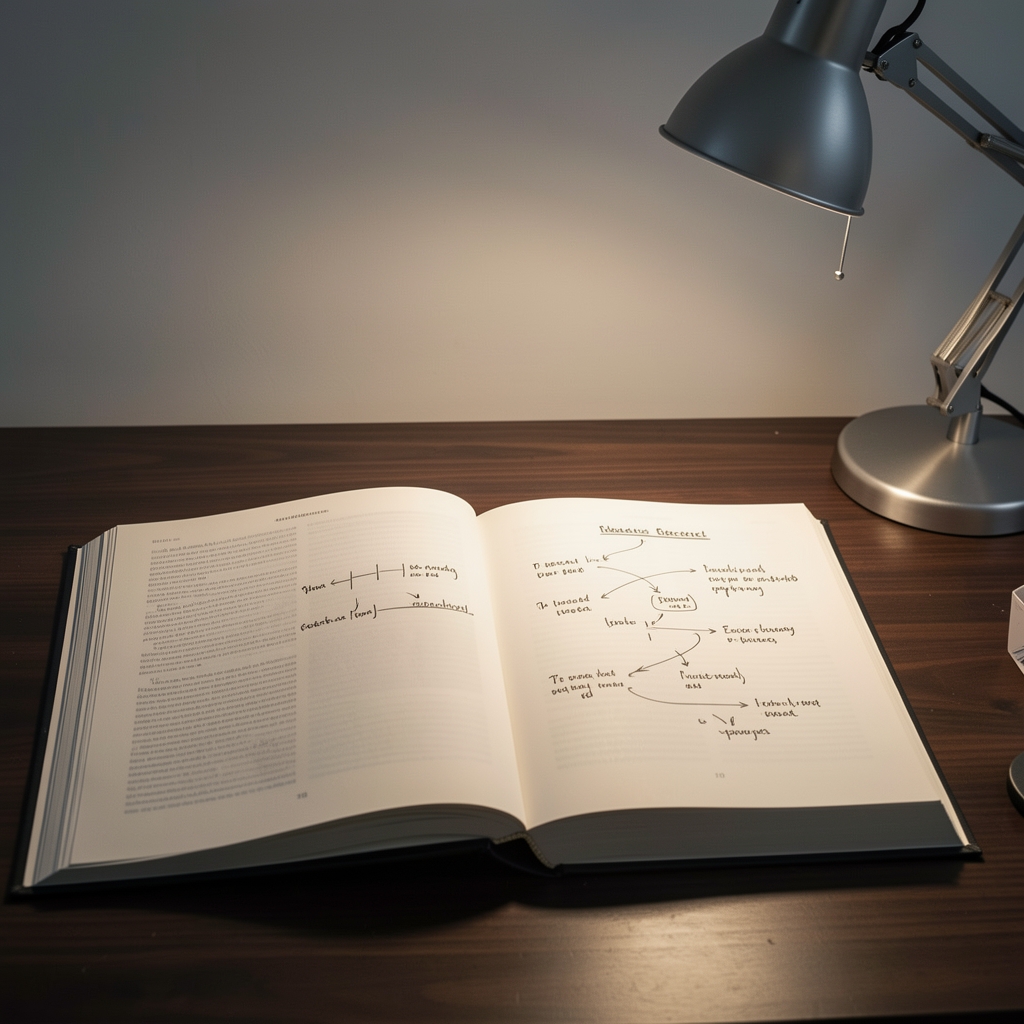
Two books open side by side on a dark wooden desk under a directed reading lamp, one page marked with annotations, representing careful comparison of ideas and structured analysis
Discover insights
Historical Context

Evolution of Pelvic Floor Support Approaches

Understanding how awareness of pelvic floor function developed across different periods provides useful context for evaluating contemporary approaches.

Early 20th C.

Physical Culture Movements

European physical culture programmes integrated abdominal and pelvic strengthening into systematic body conditioning, predating any specific anatomical terminology for the pelvic floor.

1940s

Formalisation of Pelvic Muscle Exercises

Arnold Kegel's anatomical work in the late 1940s drew systematic attention to the pubococcygeus and surrounding muscles as a distinct area of functional interest.

1970s–90s

Sports Science Integration

Core stability research and sports conditioning science began incorporating pelvic floor engagement into broader frameworks of functional movement, particularly in athletic performance literature.

2000s–Present

Broadened Public Awareness

Information about pelvic floor function has become more widely available to general audiences, with growing recognition that male pelvic anatomy warrants the same attention as other aspects of physical well-being.

Row of aged academic reference books with cloth spines arranged on a dark library shelf, warm directed light illuminating titles, evoking scholarly context and historical depth
Featured Article

From the Insights Collection

View materials
Frequently Asked

Common Questions

Answers to questions that frequently arise when people begin exploring the subject of male pelvic floor health.

Review FAQ
The male pelvic floor is a layered group of muscles and connective tissue situated at the base of the pelvis. It spans the area between the pubic bone at the front and the coccyx at the back. These structures contribute to the support of pelvic organs and play a role in core stability and trunk control during everyday physical movement.
The age reference of 35 and beyond is frequently used in physical activity and exercise literature as a point at which sustained awareness of muscular maintenance becomes more relevant. As patterns of movement and sedentary behaviour accumulate over time, understanding foundational muscle groups — including the pelvic floor — is part of a general awareness of physical well-being.
They are related but distinct. The pelvic floor is one component of what practitioners describe as the deep core unit, alongside the diaphragm, transversus abdominis and deep spinal muscles. Pelvic floor exercises focus specifically on the muscles at the pelvic base, while broader core work typically engages a wider range of surrounding structures.
Get in Touch

Questions About This Resource?

If you have general questions or comments about Pellin and its informational content, we are happy to hear from you.

Go to contacts
Continue Reading

There Is More to Understand

Our collection of structured articles covers anatomy, historical perspectives, exercise types, daily routines and common misunderstandings — all presented as neutral, contextual information.

Explore the topic